 Rank 01
Why this
Shares environmental storytelling with Marie's Room.
- $19.99 (Price checked Nov 4)
- Deck Verified
- 2017
The closest matches to Marie's Room: What Remains of Edith Finch, Gone Home, The Berlin Apartment, Homesick, and Some Distant Memory. Ranked by imho.run from Steam co-play data, shared tags and reviews.
Rank 01Why this
Shares environmental storytelling with Marie's Room.
 Rank 02
 Rank 03
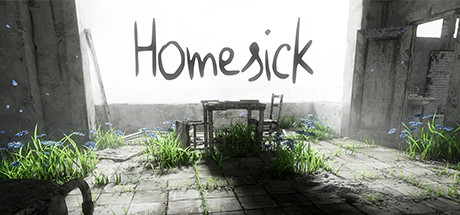

Why this: Shares memory reconstruction and environmental storytelling with Marie's Room.



Why this: Shares time manipulation and environmental storytelling with Marie's Room.
Shares environmental storytelling with Marie's Room.
Shares memory reconstruction and environmental storytelling with Marie's Room.
Shares time manipulation and environmental storytelling with Marie's Room.

Players highlight
Valve-Verified or Playable picks from the similar pool — ready to go on Deck out of the box.
Why this: Shares environmental storytelling with Marie's Room.
Why this: Also Short and Walking Simulator, like Marie's Room.
Why this: Shares time manipulation and environmental storytelling with Marie's Room.
The closest matches to Marie's Room: What Remains of Edith Finch, Gone Home, The Berlin Apartment, Homesick, and Some Distant Memory. Ranked by imho.run from Steam co-play data, shared tags and reviews.
If Marie's Room is your kind of game, the closest matches are What Remains of Edith Finch, Gone Home and The Berlin Apartment — picked from the ranked list below. Reviewers describe it as atmospheric, contemplative and cozy, and single out its environmental storytelling and memory reconstruction. Each pick is ranked by what players of this game also play, shared genres and tags, and review-mined similarity — not a generic popularity list.
Marie's Room is a short narrative exploration game released in 2018 by indie developer Kenny Guillaume. Players control Kelsey as she revisits the bedroom of her friend Marie, exploring the space as it appeared twenty years ago through environmental storytelling and memory reconstruction. The gameplay centers on object-collection and time-manipulation mechanics, with an evolving room design that shifts between past and present timelines. Reviewers highlight how environmental storytelling rewards player curiosity, noting that objects trigger emotional memories tied to the protagonists' unconventional friendship. Players describe the experience as atmospheric, contemplative, and melancholic, with the soundtrack frequently cited as enhancing the narrative's emotional weight. The game is free to play and runs in a playable state on Steam Deck.
About Marie's Room: Marie's Room is a short story exploration game about an unconventional friendship between two classmates. You play as Kelsey, remembering Marie's room as it was twenty years ago. But something’s off. What happened to Marie?
Players recommend it
A summary of what players say, not a promise you'll like it. Every signal is listed below.
The most up-voted negative English reviews in our sample, quoted as written.
“wont let me even move my character just stands by the stair railing. (edit after) I did finally manage to free my character from the ledge but it really is vary tight on the boundary movements to go straight. I would still suggest working…”
“Good story. But the walking is really buggy, you get stuck every five seconds when you stop and have to really finagle the keys to unstick yourself. (really not good for a walking sim)”
People who play it also play: What Remains of Edith Finch, Gone Home, The Berlin Apartment
Marie's Room is rated Playable on Steam Deck — it runs, but expect some manual adjustments (control remapping, text size, or graphics settings) for the best experience.
Yes — Marie's Room is a free-to-play title on Steam. You can install and play it without buying anything, though some games include optional in-app purchases.
Based on Steam play patterns and shared genres/tags, the games most often recommended alongside Marie's Room are What Remains of Edith Finch, Gone Home, The Berlin Apartment.
Marie's Room was developed by Kenny Guillaume.